Comprehensive and tailored solutions
in corrosion control.

We protect and extend the lifespan of critical assets. We maximize productivity, safety, and sustainability.

about Aplika

Who we are

Specialists in corrosion control with industrial coatings and composite materials

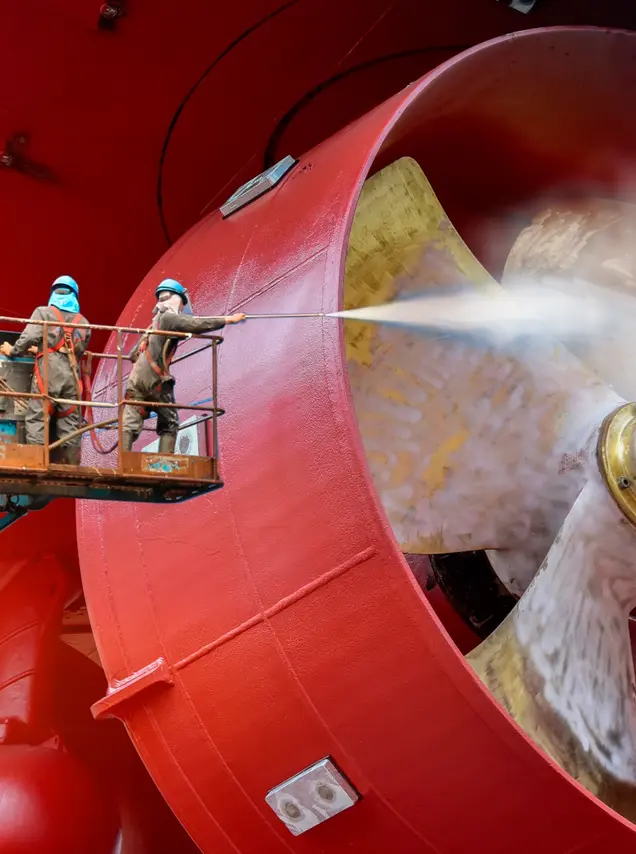
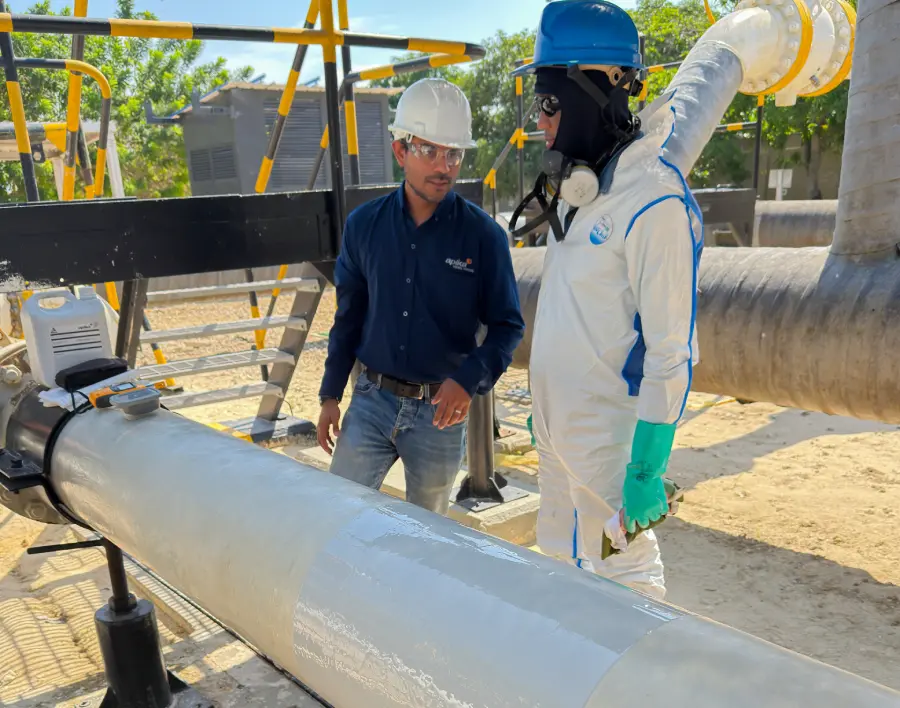
We integrate advanced coatings, composite repair, and inspection (QA/QC) to protect critical assets and ensure real durability in the field. We operate nationwide and support projects from engineering through to maintenance. Our technical backing is based on:

Consultancy management:

  • 01. 15 years of experience in critical assets
  • 02. Comprehensive asset lifecycle management
  • 03. AMPP-certified technical team and advisory
  • 04. ISO 9001, ISO 14001, and ISO 45001 certifications

We are strategic allies of asset owners, support engineering companies, contractors, applicators, and inspection agencies.
Consultation with an engineer
OUR SOLUTIONS

Regulatory-backed solution lines

Our Solutions

Discover all our services

Frequently Asked Questions

Clear and quick information to answer your questions

A space created to provide you with clear and timely information, where you can resolve your doubts about our services and processes.

Know more
The selection is defined by the corrosivity of the environment, type of exposure (atmosphere, immersion, burial), service temperature, asset criticality, and target durability. In industrial projects, this is supported by performance criteria and international standards such as ISO 12944 and AMPP best practices, along with a field QA/QC inspection plan.
ISO 12944 is an international reference for selecting and specifying anti-corrosion coatings based on the environment and expected service life. It standardizes technical criteria (environment, durability, recommended system) and aligns execution with quality control and coating inspection.
Generally, ISO and AMPP standards are used to define cleaning grades, anchor profile, and contaminant control, along with ASTM/ISO standards for thickness, adhesion, discontinuities, and environmental conditions verification. Final applicability depends on the contract and the asset owner’s requirements.
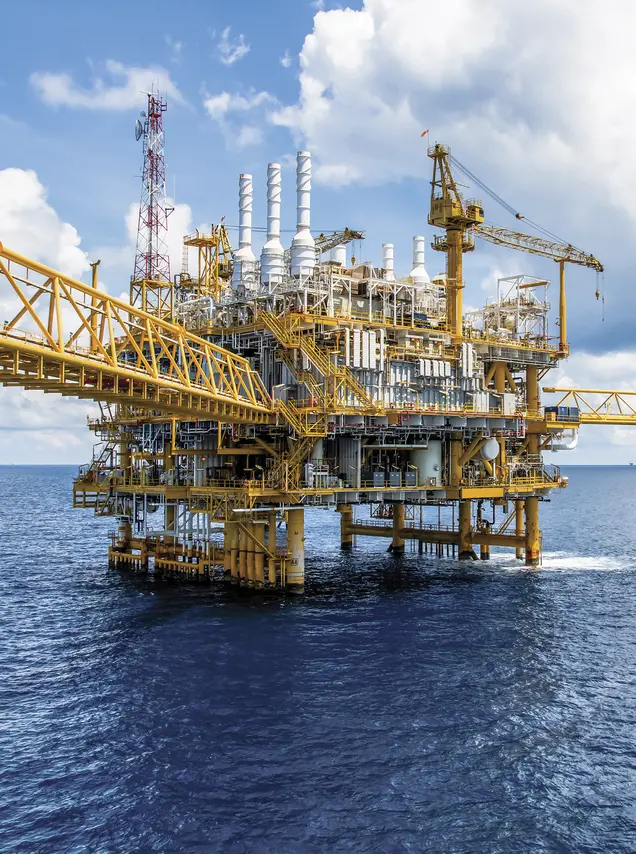
In marine/offshore environments, high-performance systems are prioritized due to salinity, high humidity, and wet-dry cycles. Performance is defined by service, target durability, and specification compliance, with inspection of critical variables (preparation, environment, thicknesses, curing) and backing from international standards (e.g., criteria based on ISO 12944 and AMPP best practices).
Critical variables are controlled before, during, and after application: environmental conditions (temperature, humidity, dew point), surface preparation, mixing and application, dry film thickness (DFT), curing/recoat times, and adhesion or discontinuity tests when applicable. This reduces typical failures like delamination, blistering, and premature corrosion.
More than just “buying paint,” the key is requesting a system defined by the environment (atmosphere, buried, immersion) and operating conditions. Always ask for: recommended system type, DFT thickness range, required surface preparation, application/curing windows, and inspection method. Aplika Control Corrosion supports technical selection and specification to ensure real field performance.
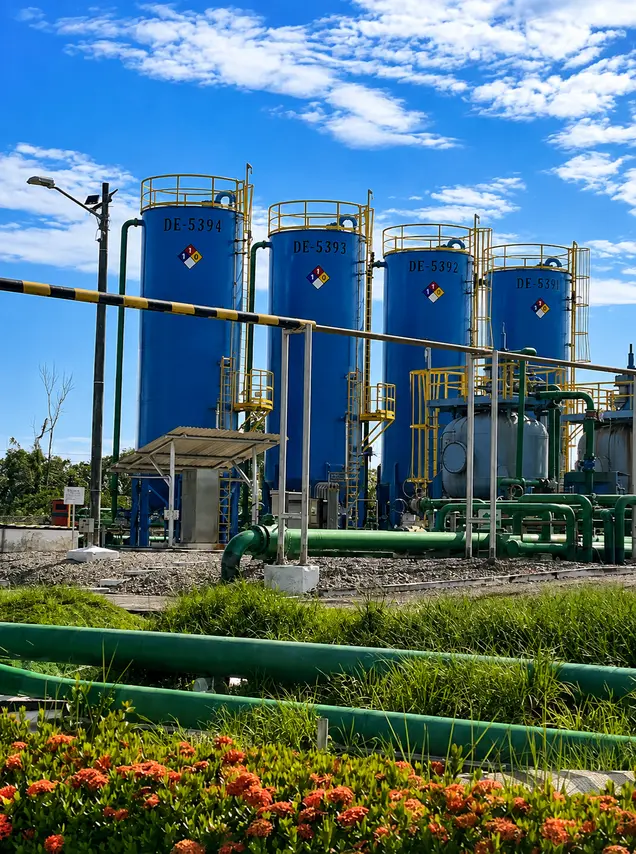
It is a high-barrier epoxy system traditionally used in severe environments such as immersion or burial, due to its resistance to moisture and strong corrosion protection. Its specification depends on service, environmental/contractual restrictions, and compatibility with the full system. In industrial projects, it is evaluated on a case-by-case basis according to the asset’s requirements.
The real cost mainly depends on: surface preparation (scope and method), system type and specified thicknesses, substrate condition, accessibility/safety, QA/QC control and inspection, and closure documentation. For critical assets, the correct approach is life cycle cost (durability + maintenance), not just price per gallon.
An anti-corrosion coating is a system designed to protect the substrate from corrosion (barrier, chemical resistance, and environment performance). A bonding primer is used to improve the bond between layers or between a difficult substrate and the subsequent system, especially in rehabilitation or system changes. The choice depends on the substrate, system compatibility, and scope of repair/maintenance.
It depends on the exposure level (moisture, chlorides, wet-dry cycles) and the planned concrete/protection system. In aggressive environments, solutions with high moisture and chemical resistance are prioritized, defined by technical specifications, compatibility with concrete, and application control. The correct selection requires evaluating the environment and the required performance of the complete system.
Contáctenos
Te asesoramos en línea
Elija un departamento
Asesor whatsapp Customer service
Customer service
Support
En línea
Asesor whatsapp commercial
commercial
Sales
En línea