Coatings for buried service: a decision based on integrity, life cycle and sustainability

A buried pipeline does not forgive improvisation—and neither does corrosion. In buried service, coating performance cannot be assumed. It must be validated through verifiable film continuity, sustained adhesion, dry film thickness (DFT) within tolerance, and polymer chemistry, which ultimately determines permeability, chemical resistance and long-term barrier stability.
When the integrity of a buried pipeline fails, the consequences can extend far beyond corrective maintenance. Loss of containment may lead to environmental damage, and in critical scenarios, major incidents involving human casualties.
Latin America is familiar with these risks. In Guadalajara, Mexico (1992), a loss of containment associated with integrity problems in buried hydrocarbon transportation infrastructure resulted in a catastrophic urban tragedy with hundreds of victims. In Cubatão, Brazil (1984), a fuel transportation system leak escalated into a large fire that caused dozens of fatalities. These events remind us that buried service integrity is not a theoretical concept—it is a real barrier between stable operation and high-impact failure.
For this reason, selecting a coating system for buried service is not merely a procurement decision—it is a lifecycle decision. From specification to future rehabilitation, every technical criterion defines accumulated risk.
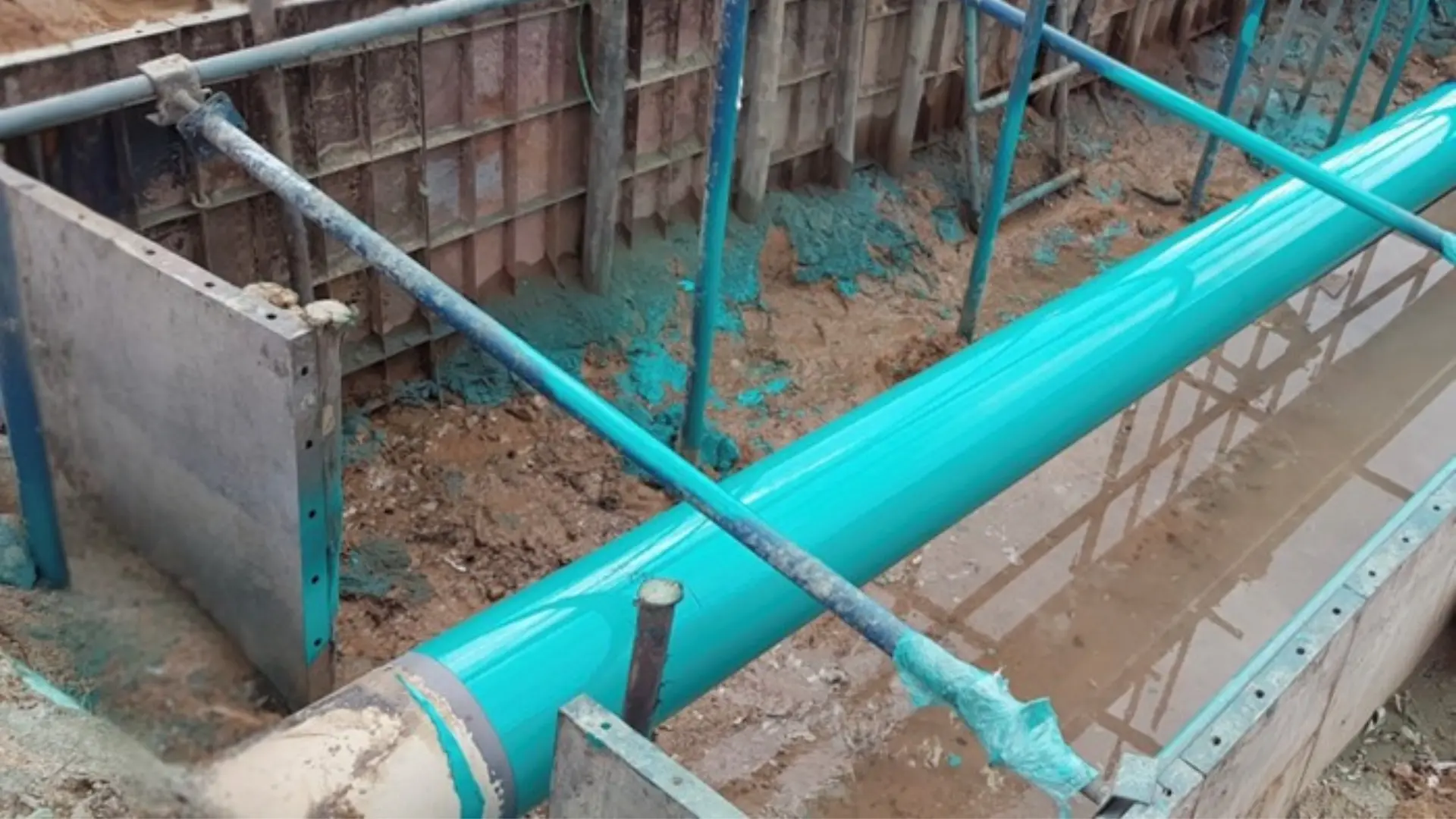
Buried Pipeline Coating Specification: Beyond “100% Solids Epoxy”
A specification based only on “100% solids epoxy” and a nominal DFT—e.g., 30 mils—describes requirements but does not guarantee performance.
For buried
service applications, specifications must include:
- Defined
DFT ranges and tolerances
- Layer
build capability per coat
- Holiday
detection control
- Adhesion performance with in-service
retention
- Polymer chemistry parameters, including:
- Permeability
- Chemical
resistance
- Barrier
stability over time
When pipelines
operate with cathodic protection (CP), the specification must also
address cathodic disbondment resistance.
If these criteria
remain implicit, the coating system may pass initial inspection but degrade
prematurely during operation, increasing the probability of barrier failure
and operational or HSE impacts.
High-Build Coatings: A Critical but Often Overlooked
Factor
One technical factor frequently underestimated is true
build capacity per coat.
If the design requires high DFT in critical areas and the
coating system lacks sufficient build capability, multiple coats become
necessary. This leads to:
- Increased
labor time
- More
contamination windows
- Higher
probability of holidays
- Greater
variability between crews
A true high-build coating system reduces passes and
lowers risk from day one.
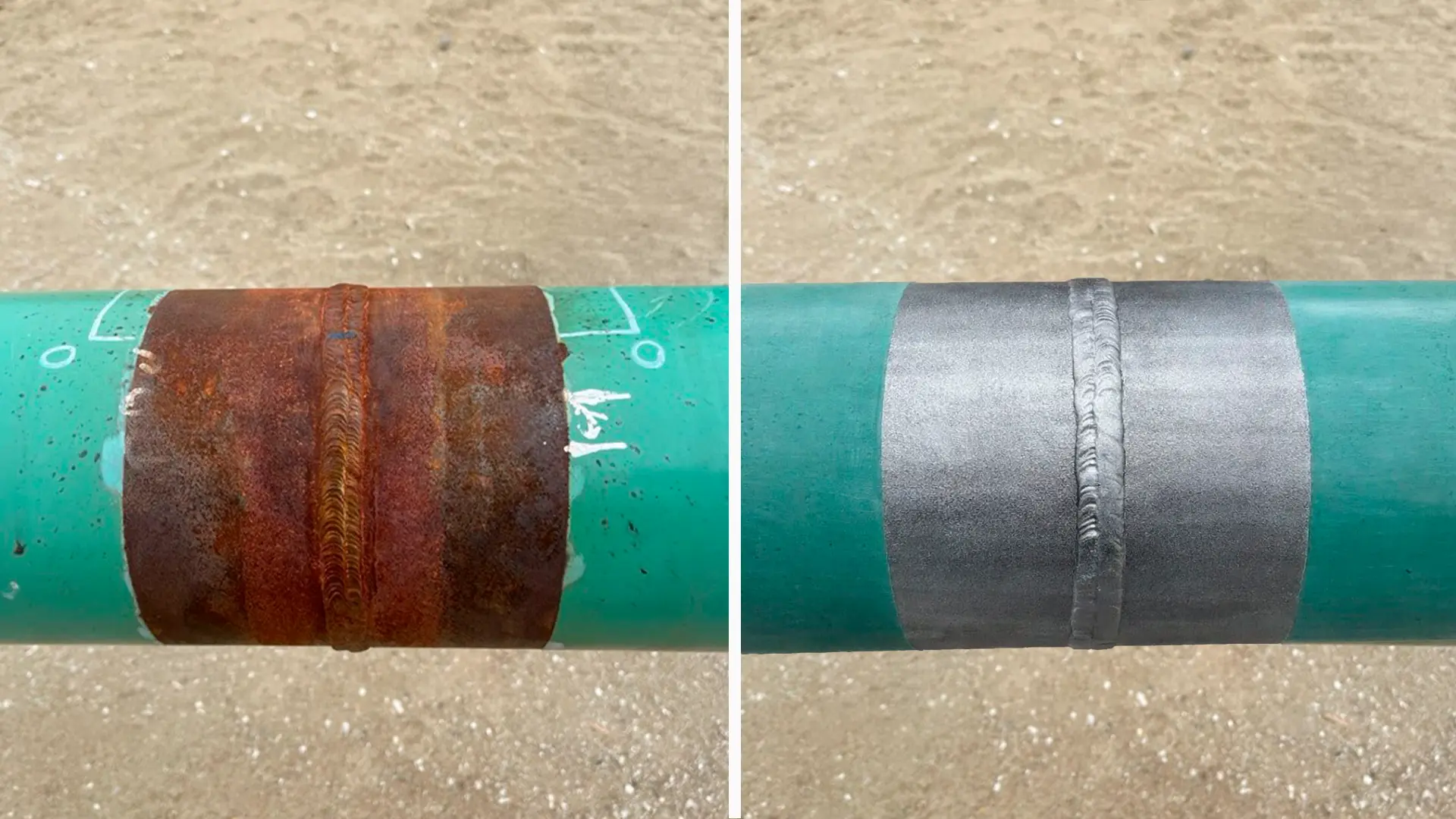
Field Joints,
Repairs and HDD Installations
In field
joints, localized repairs and rehabilitation, execution discipline becomes
even more critical.
These are points
where system continuity depends directly on field application quality.
In Horizontal
Directional Drilling (HDD) installations, coatings are no longer merely a
finishing layer—they become mechanical protection against abrasion, handling
damage and installation stresses.
In such cases,
coating systems must be designed for severity and worst-case installation
scenarios.
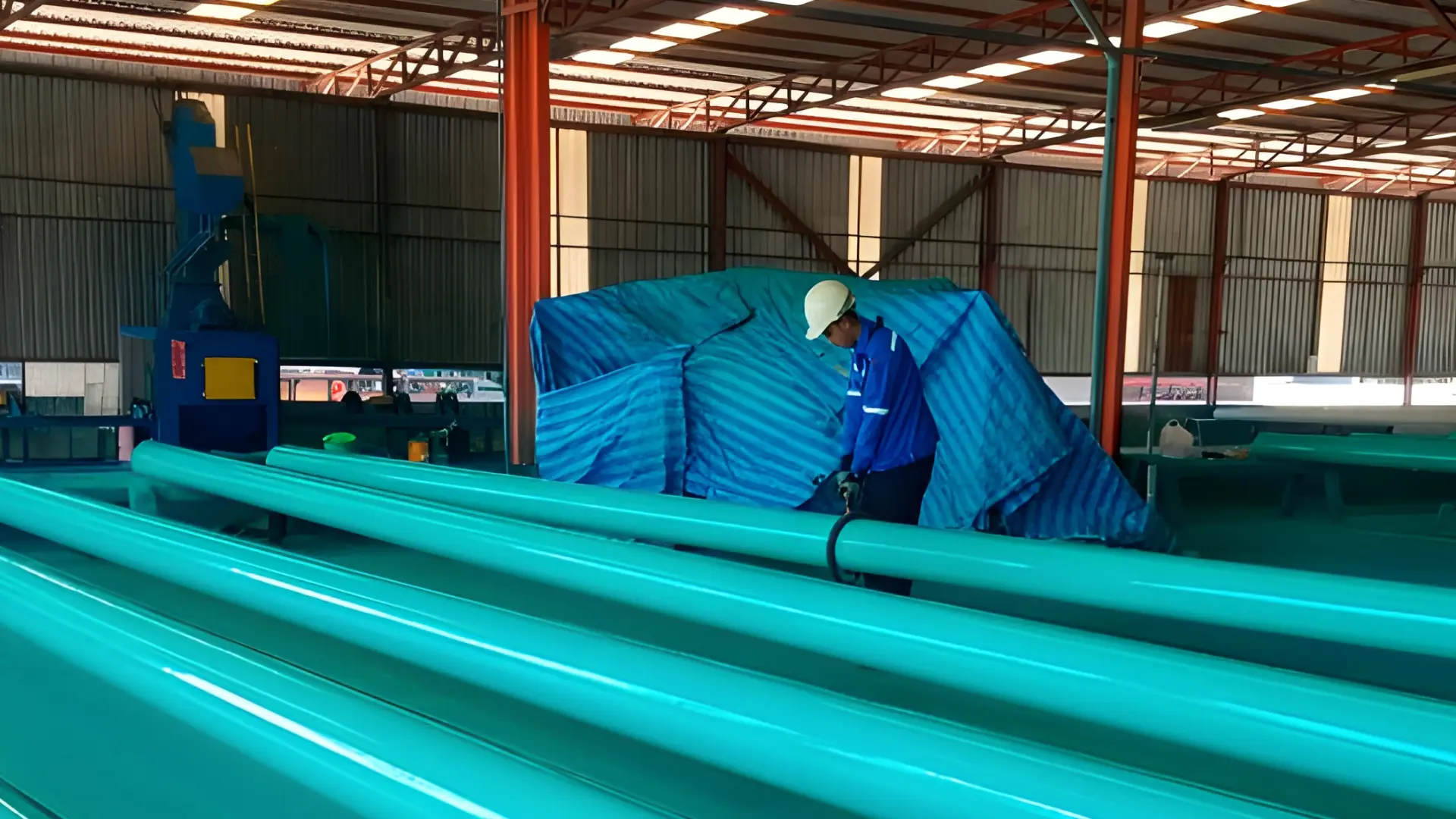
Coating
Performance with Cathodic Protection
When pipelines
operate with cathodic protection (CP), the coating must perform as both:
- An
independent corrosion barrier, and
- A
stable system under electrical polarization
When coating adhesion is lost around a defect, CP efficiency
decreases and corrosion risk may shift toward critical areas.
Therefore, selecting a CP-compatible coating system
significantly strengthens overall asset integrity.
Sustainability
in Pipeline Corrosion Protection
In pipeline
integrity management, sustainability is not a corporate statement—it is risk
prevention.
- Less rework means lower abrasive
consumption, energy use and waste generation
- Longer coating service life means fewer
excavations and lower environmental impact
- Full traceability provides governance
for regulators, insurers and communities
Sustainability in corrosion protection is fundamentally about
durability and reliability.
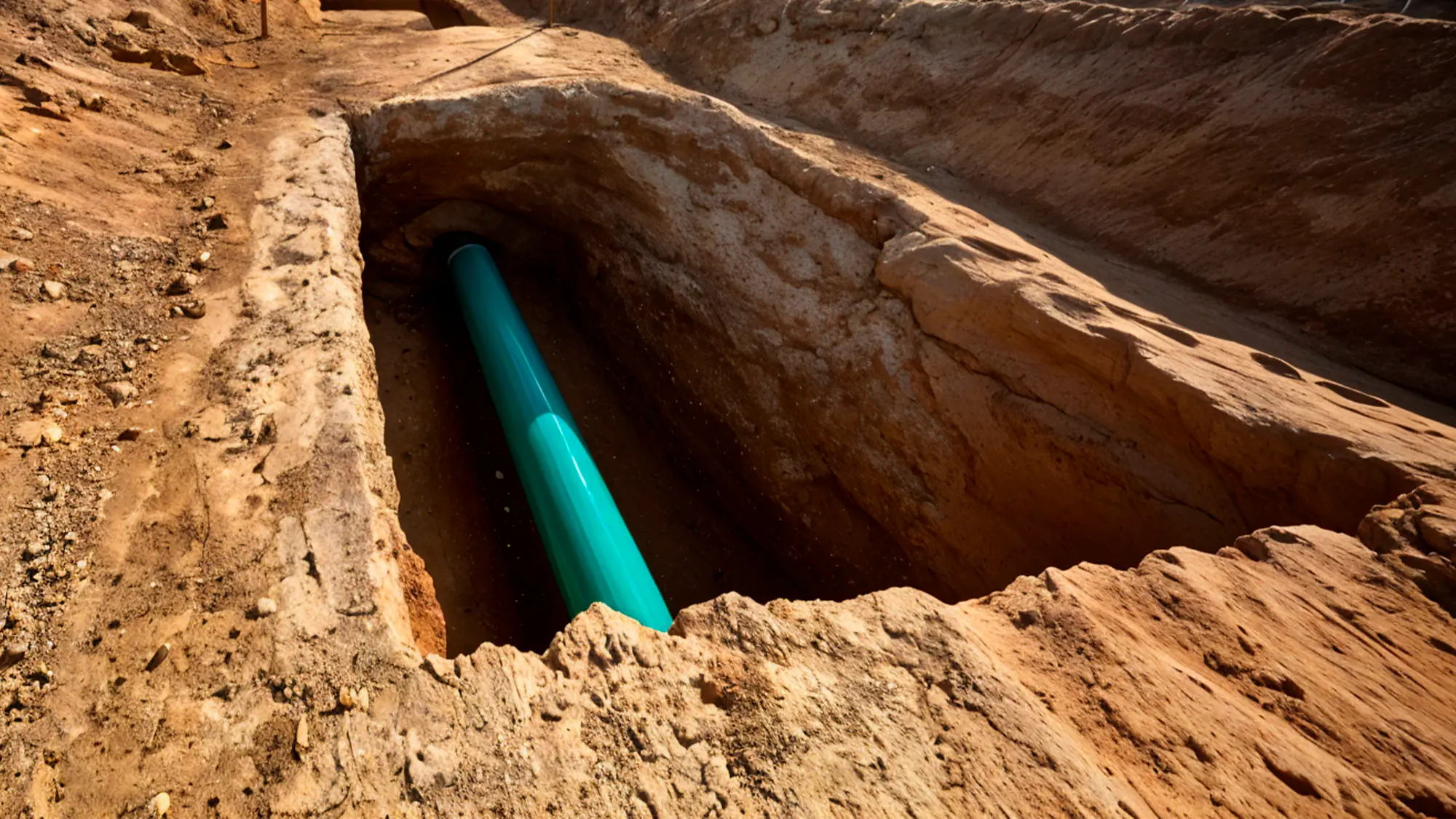
High-Performance Pipeline Coating Systems
Under this technical framework, systems such as 3M™
Scotchkote™ 323+ align with the performance profile required for buried
service:
- 100%
solids epoxy coating
- High-build capability up to 45 mils
per application
- Typical hardness above 80 Shore
D (~85)
- Operational curing times compatible
with dynamic construction fronts
- Reported
resistance to cathodic disbondment
However, the
brand itself is less important than the methodology behind the project:
- Performance-based
specification
- Disciplined
application procedures
- Traceable
QA/QC processes
Pipeline Integrity Engineering in Latin America
From Colombia, Aplika Control Corrosión supports
pipeline integrity projects across Latin America through specialized technical
services:
- Performance-based
coating specifications
- Application
procedures and technical standards
- Traceable QA/QC programs for
repeatable lifecycle results
This approach is
complemented by the distribution of high-performance coating technologies,
ensuring proper technical transfer and implementation support in:
- Buried
pipelines
- Field
joints
- HDD
installations
- Rehabilitation
projects
- Internal
linings
At Aplika Control Corrosión, we combine engineering,
sustainability and reliability to protect critical infrastructure.
Contact our team to request technical support for your
pipeline corrosion protection projects.

